Rainwater harvesting is a practice that could become increasingly common in the UK as water prices steadily increase. Home owners can in some circumstances reduce their mains water usage by more than 50% with a rainwater system.
Elsewhere in Europe, rainwater harvesting has been fully embraced in countries like Germany, which is the world leader in rainwater harvesting with modern rain harvesting systems.
The UK government has been encouraging rain harvesting by ranking homes on a scale of 1 to 6 using the Code for Sustainable Homes, and requiring that new homes to have a score of at least 3. Incorporating a rainwater harvesting system is a new home design is one way of raising the score.
Though this policy was withdrawn in March 2015, with the election approaching, it’s a safe bet that it will return in a similar vein before too long.
(More information about the Code For Sustainable Homes Here).

A report from Environment Agency recommends a two-pronged approach that will not only reduce the pressure on the available water resources, but also increase the water supply. One such approach is rainwater harvesting.
The agency also warns that the per-capita water supply in South East England has reached alarming lows – lower than many Mediterranean countries, and thus the need for an alternative water source like rain water.
What are Rainwater Harvesting Systems?
Rainwater harvesting systems are the process of directly collecting rainwater from the surface it falls on. Rainwater is mostly collected from the roof, and filtered using filters attached to the down pipes or using self-cleaning filters for underground tanks.
The collected rain is stored and used for non-potable and non-hygienic purposes like, flushing toilets, washing clothes, and watering the gardens.
Why should I use rainwater?
Though it rains a lot in UK, the main water resources in England and Wales are under pressure from the ever more demanding population. There is a need therefore to reduce the strain on water resources by utilising rain water which is lost through evaporation and transpiration, or just lost in the drainage system.
For people living in south east England, where water has become scarce due the large number of people living and working there, harvesting rain water will ensure sustainable domestic water supply that is cheap.
Rainwater harvesting systems reduce the dependency on the main water resources while managing demand and increasing supply. Environmental agencies are advocating harvesting rain systems and the use of rain water for non-hygienic use, or where drinking water is not a priority to ensure the sustainability of water resources in the future.
Is Rainwater safe to use within the home?
Currently, there are no regulations in England and Wales to set the standard of rainwater usage. However, it is important to remember that rainwater is not recommended for drinking unless treated to potable quality. The water is only risk free when used for non-hygienic and non-portable uses.
Filters are enough for rainwater collected from the roof, but the water collected from the driveway may need oil traps. However, most traps do not remove all the oil and is thus not recommended as a collection point.
Different Rainwater Systems
After deciding to utilise rainwater harvesting systems, the next step is identifying the system that best works for you. There are many systems available in the market with a variety of features and the systems to install will depend on your needs and budget. The main systems covered in the code of conduct include.
- Rainwater collected in storage tank(s) and pumped directly to points of use,
- Rainwater collected in storage tank(s) and fed by gravity to points of use and,
- Rainwater collected in storage tank(s) pumped to an elevated cistern and fed by gravity to the points of use.
Rainwater Tank Installation
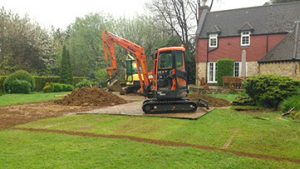
The installation of rainwater tank should be carried out by professionals as the location of the tank will have a direct energy usage where pumping is required. Underground tanks will use more energy to pump the water for domestic use. Consider using header tanks that will allow use of gravity and reduce energy consumption.
Here at Boxall Ward, we are rainwater harvest professionals – just contact us now and you can take the first steps to ensuring you are taking advantage of the cheap and sustainable rain water source for your home.